Words hurt, if you let them

In the 21st century, the adage “Sticks and stones may break my bones, but words will never hurt me” has been revised by some people to say, “…words definitely hurt me” or “words can hurt me.” The revision shows how people have given up control of their emotions.

I always believe that it is better to say nothing if you have nothing good to say about another person; I also believe that people who call other people names should not be given the power to control other people’s emotions by getting the reaction they expect to get. Only immature people or bullies would resort to name-calling or ad hominem attacks. And being immature or bullies, they enjoy getting their targets riled up. That is power.

In the Philippines, the word “moros” used to be a derogatory term equated with savagery, treachery, and anything and everything bad. The Muslims in Mindanao were aware of this, and true to their nature of being a tough people, they refused to let a mere word hurt them. They reclaimed the word “Moro” and it has since lost its negative meaning in the country.

The Filipino-Chinese are often called “intsik” behind their back. In 2020, columnist and historian Ambeth Ocampo wrote about the Filipino-Chinese reclaiming the term. But long before that, in 1998 an anthology of Chinese Filipino writings edited by Caroline Hau was published and it was titled Intsik. (It’s available on Amazon, and also at AbeBooks. I got a copy from a friend whose story is included in the anthology.) They had already reclaimed it.

Ugly nicknames, slurs — words that are meant to hurt will hurt only as far the recipient will allow them to hurt.

Don’t let mere words control your feelings and your actions. Don’t let bullies have power over you.


On Originality

Is there such a thing as an “original” idea?

Folk tales have no known authors because printing was not yet invented when they were first told. There were no publishing companies nor patenting offices to which one could go to for claiming ownership of the tale.

Isn’t it true that sometimes we come up with an idea which we think is so original only to find out a few days later that someone somewhere in a far, far away place across the ocean, someone had already thought of it decades or centuries ago?

Maybe there’s no such thing as an original idea, but that some are more fortunate than others in having access to a technology that can make them claim ownership of a particular idea.

I know this musing is not original either. Someone somewhere in the same town or across the ocean must have thought the same, either a minute ago or centuries ago.

Bohol Cathedrals

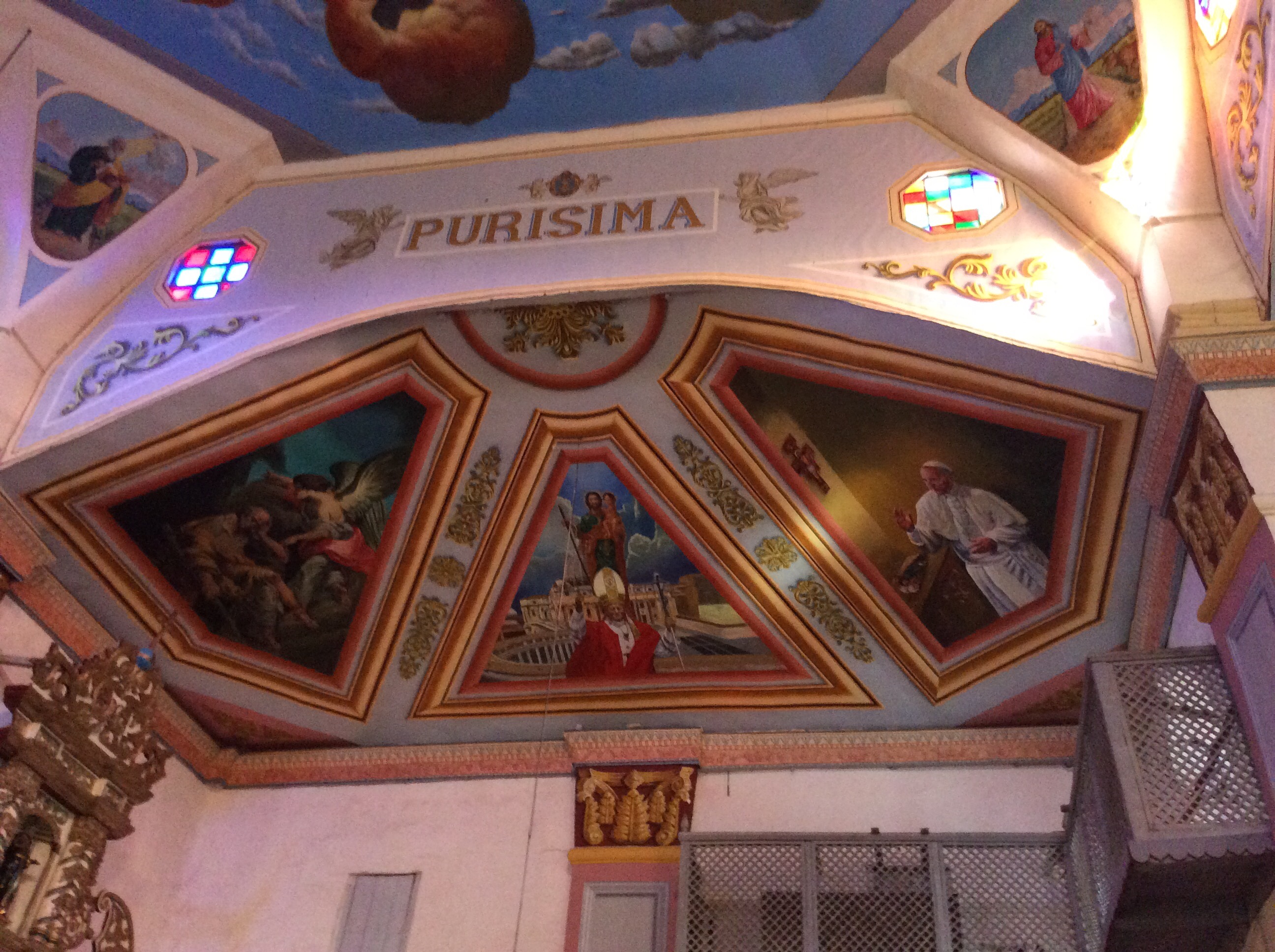
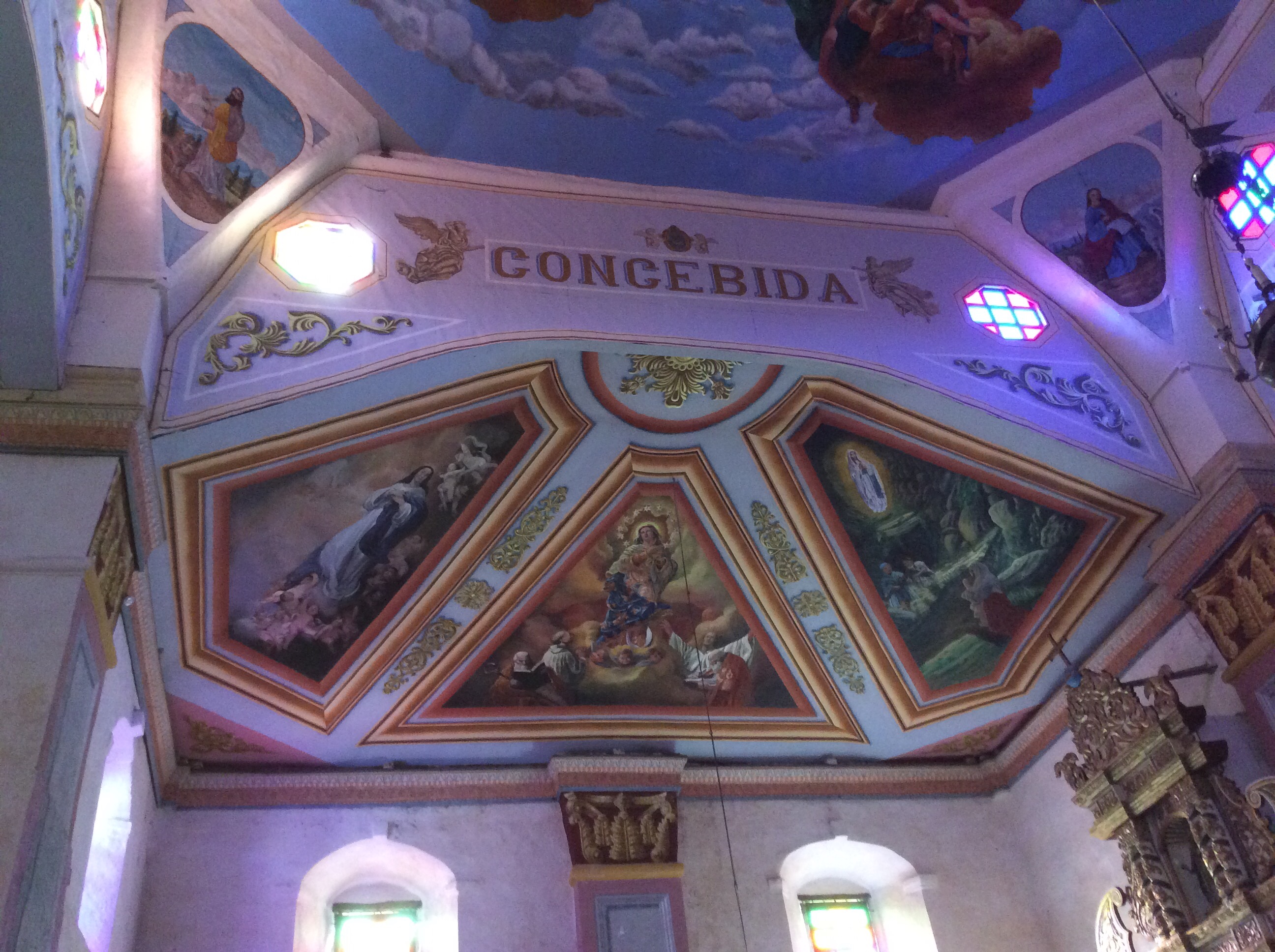
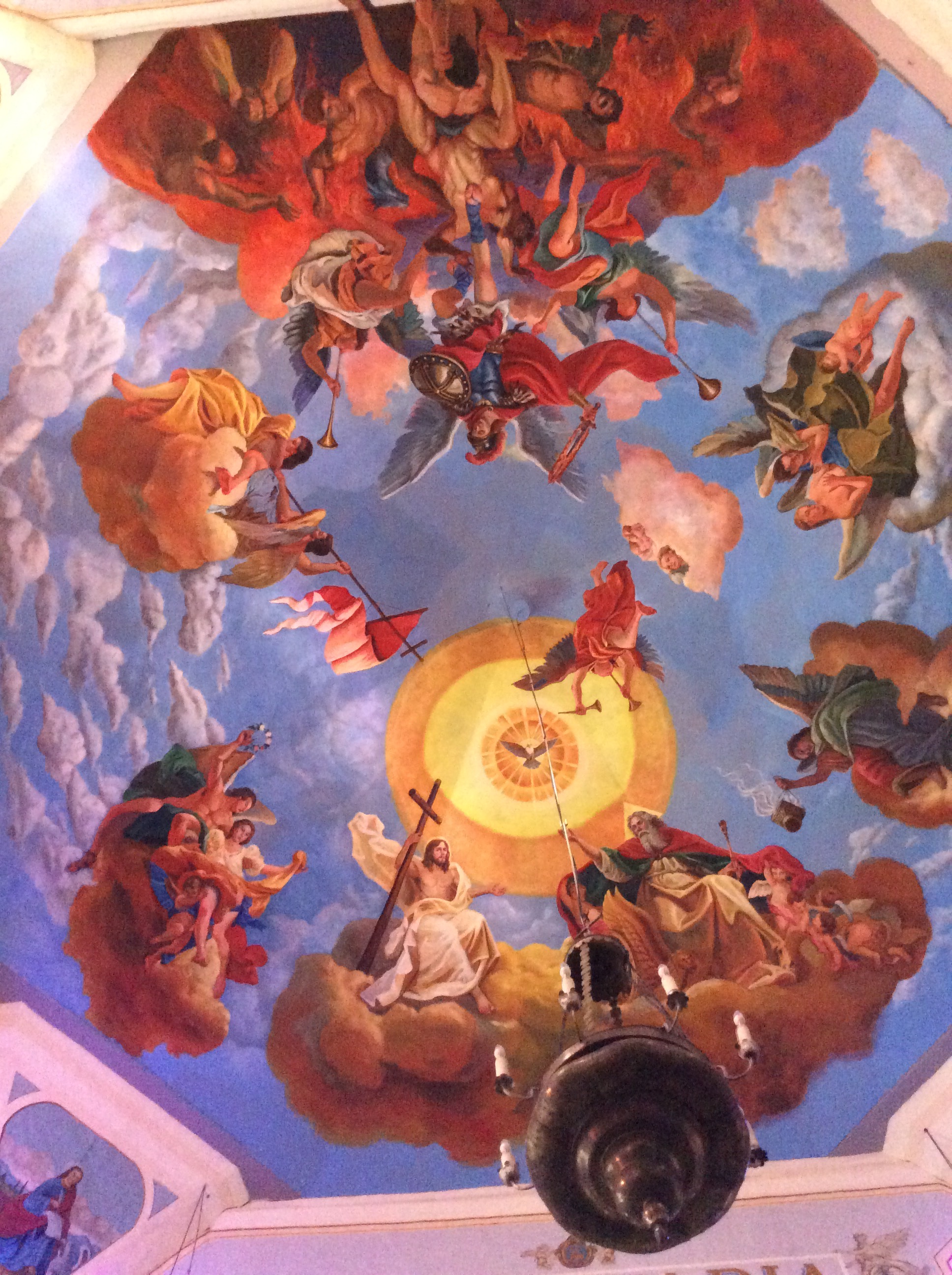
La Purisima Concepcion de la Virgen Maria Parish Church (also The Immaculate Conception of the Virgin Mary Parish Church), commonly known as Baclayon Church, is a Roman Catholic Church in the municipality of Baclayon, Bohol, Philippines within the jurisdiction of the Roman Catholic Diocese of Tagbilaran. Baclayon was founded by the Jesuit priest Juan de Torres and Gabriel Sánchez in 1596, and became the oldest Christian settlement in Bohol. It was elevated as a parish in 1717 and the present coral stone church was completed in 1737. The Augustinian Recollects succeeded the Jesuits in 1768 and heavily renovated the church since then. (from Wikipedia)

Reconstruction after a 7.2 magnitude earthquake in 2013 caused major damage to the church was completed in 2017.

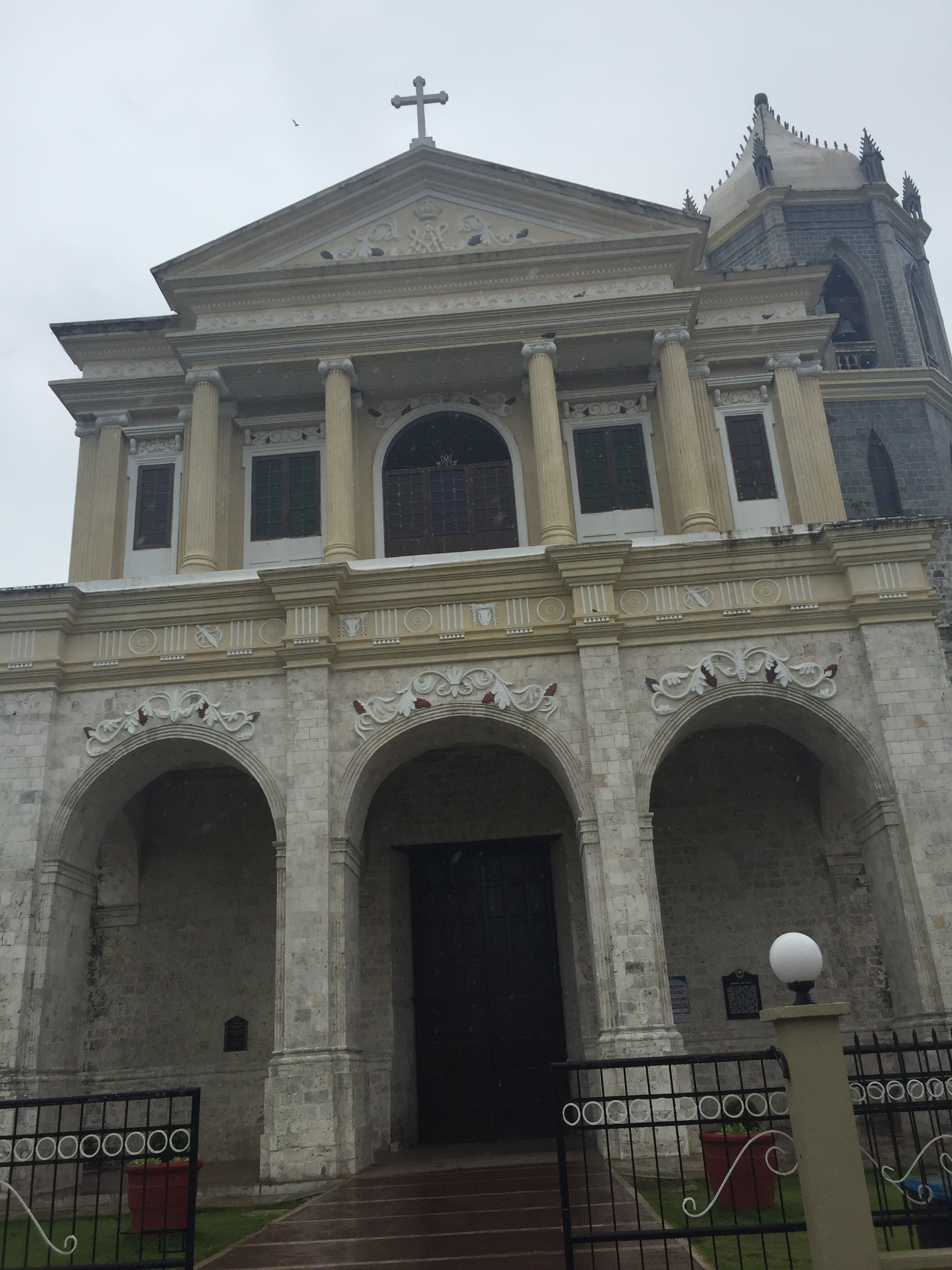
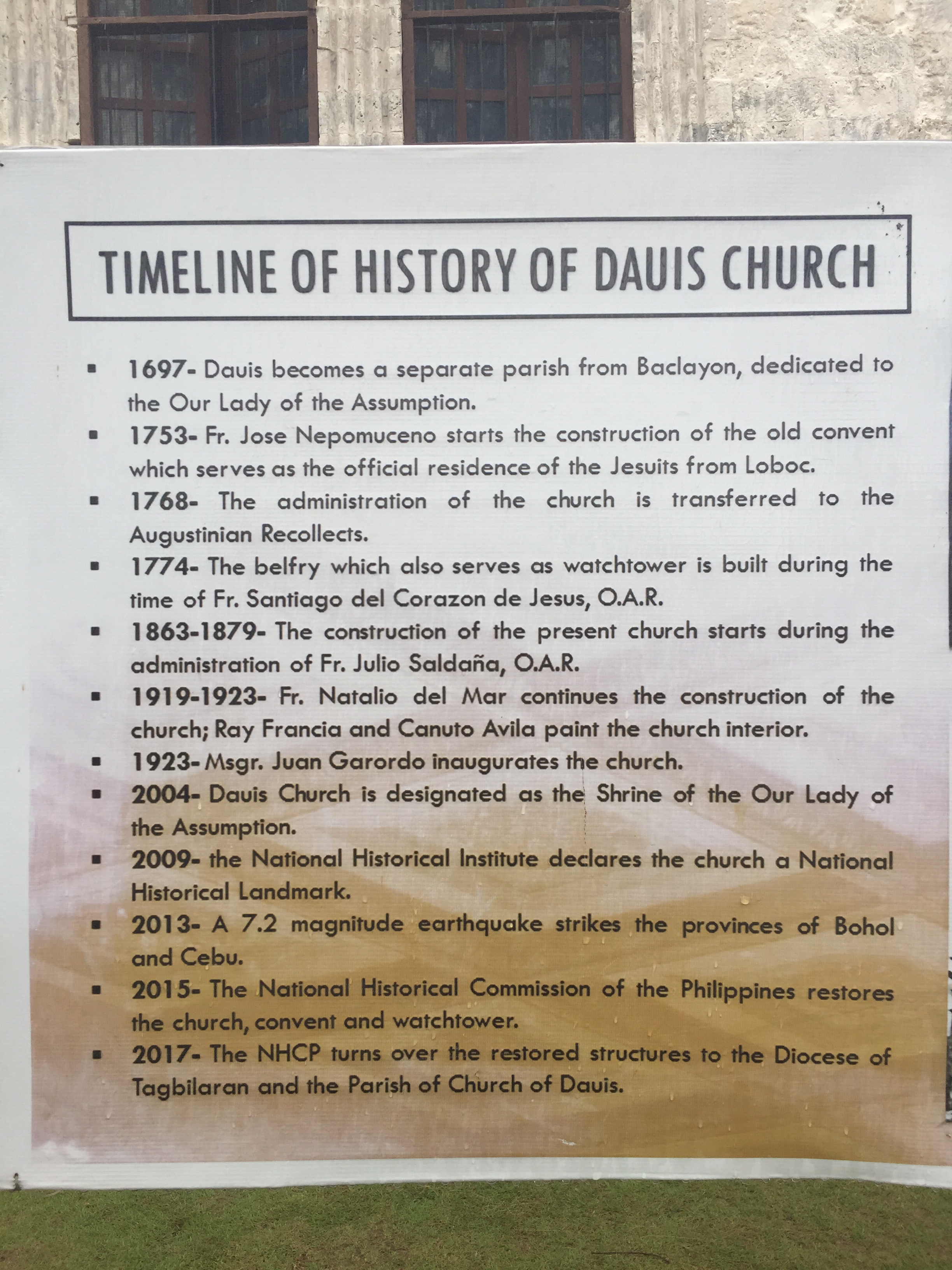
Dauis Church

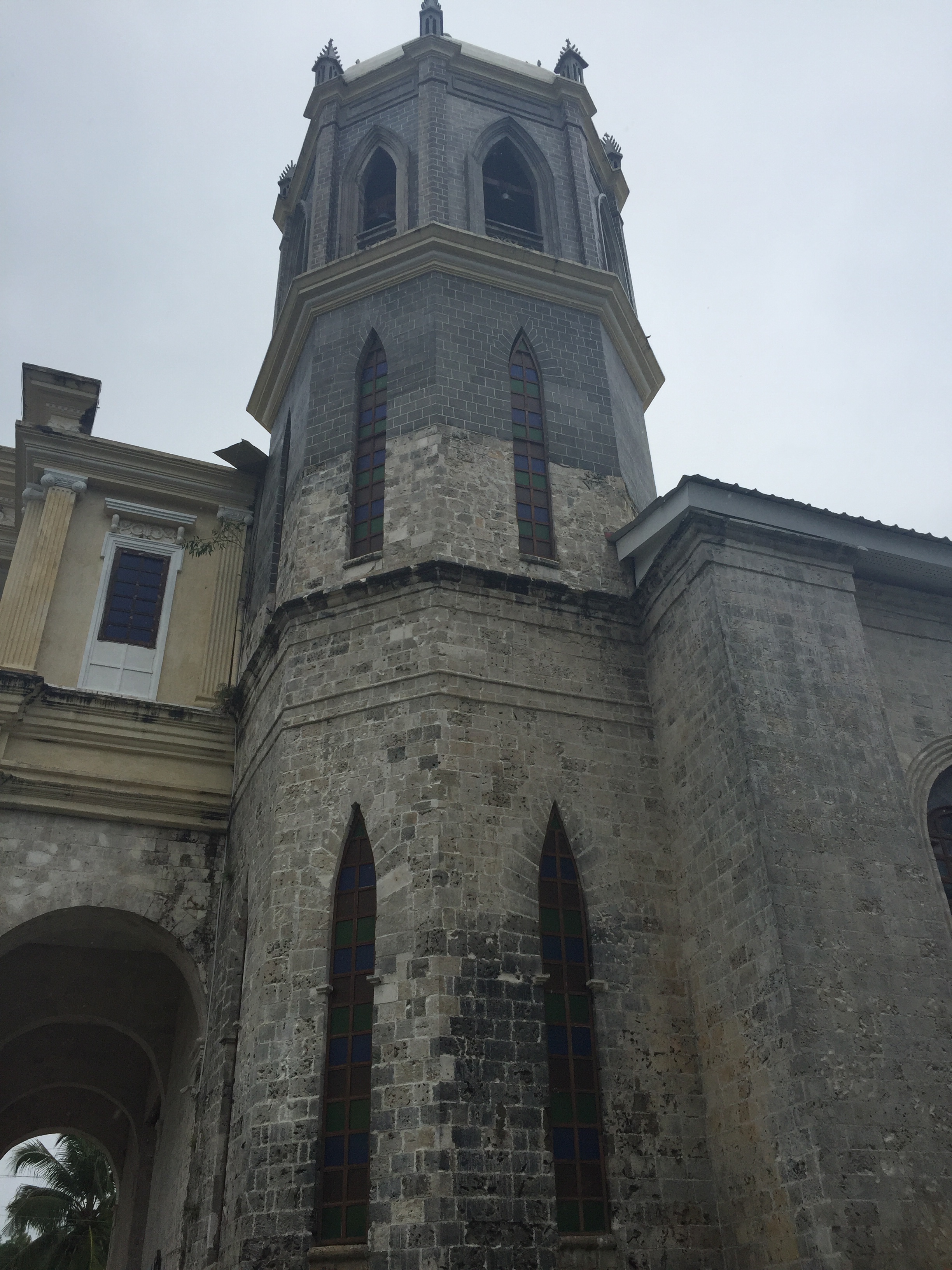
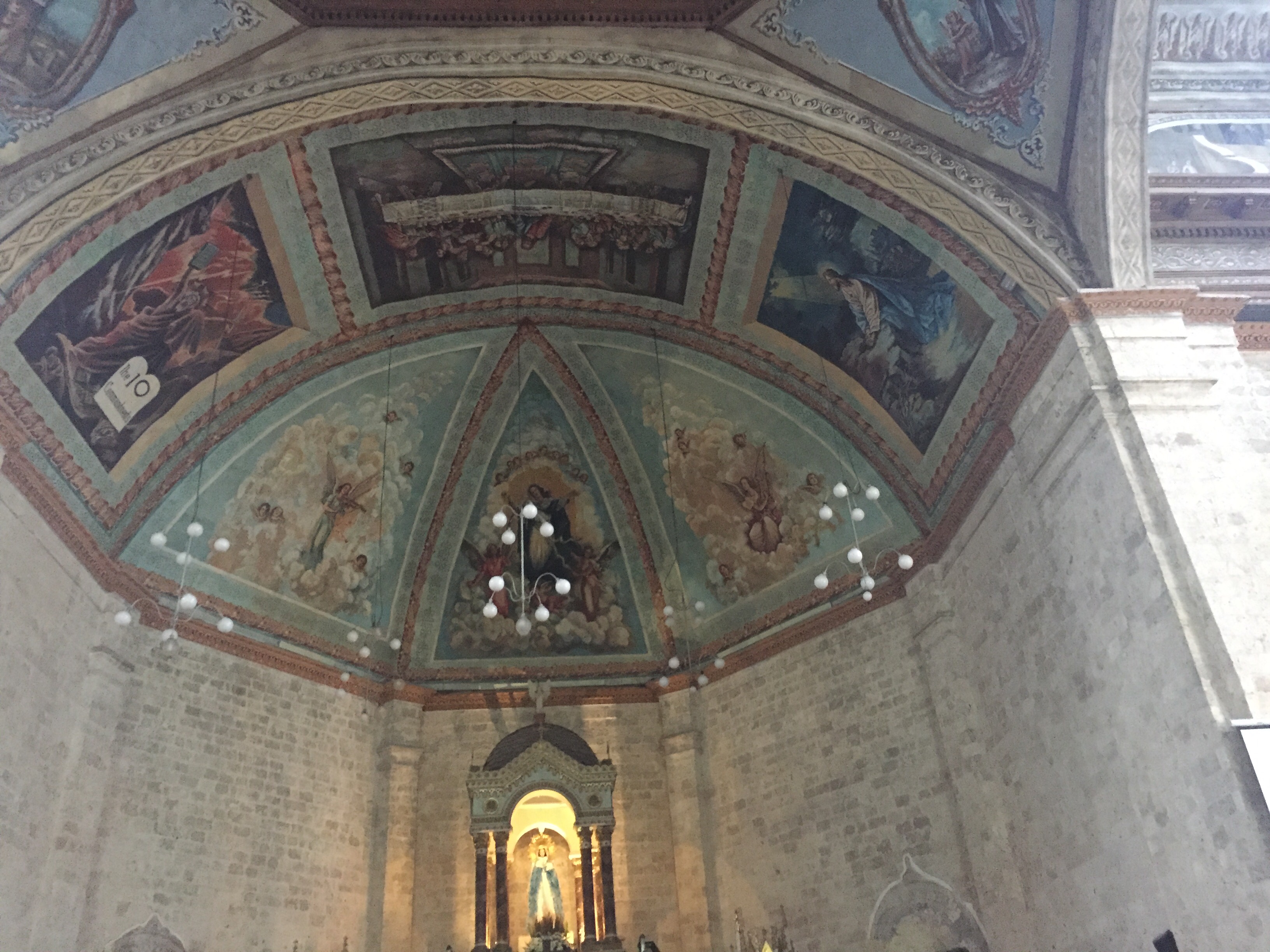
Our Lady of Assumption Church is locally known as Nuestra Señora de la Asunción. It is constructed of solid rocks or stones and has paintings on the walls. There is a tower with a bell, outside the church another tower and also a small well. The front face of the church collapsed during the earthquake in 2013. (From Wikipedia)