Words hurt, if you let them

In the 21st century, the adage “Sticks and stones may break my bones, but words will never hurt me” has been revised by some people to say, “…words definitely hurt me” or “words can hurt me.” The revision shows how people have given up control of their emotions.

I always believe that it is better to say nothing if you have nothing good to say about another person; I also believe that people who call other people names should not be given the power to control other people’s emotions by getting the reaction they expect to get. Only immature people or bullies would resort to name-calling or ad hominem attacks. And being immature or bullies, they enjoy getting their targets riled up. That is power.

In the Philippines, the word “moros” used to be a derogatory term equated with savagery, treachery, and anything and everything bad. The Muslims in Mindanao were aware of this, and true to their nature of being a tough people, they refused to let a mere word hurt them. They reclaimed the word “Moro” and it has since lost its negative meaning in the country.

The Filipino-Chinese are often called “intsik” behind their back. In 2020, columnist and historian Ambeth Ocampo wrote about the Filipino-Chinese reclaiming the term. But long before that, in 1998 an anthology of Chinese Filipino writings edited by Caroline Hau was published and it was titled Intsik. (It’s available on Amazon, and also at AbeBooks. I got a copy from a friend whose story is included in the anthology.) They had already reclaimed it.

Ugly nicknames, slurs — words that are meant to hurt will hurt only as far the recipient will allow them to hurt.

Don’t let mere words control your feelings and your actions. Don’t let bullies have power over you.

Cauayan City and its lovely people


It was my first time to visit Isabela Province when I went to Cauayan City for the 6th Linguistic Society of the Philippines International Conference on April 11–13.

It was the farthest north in the Philippines I’ve ever been, and I have to say, Cauayan City truly surprised me.

The first surprise was the smallness of the airport. It feels like going back in time.


The second surprise was: there were no taxis! The tricycles are the main mode of transportation.

The third surprise is the friendliness of the people. First, at the airport! They were wonderfully courteous and helpful. I was able to get a ride from the airport to the hotel courtesy of the hotel itself.

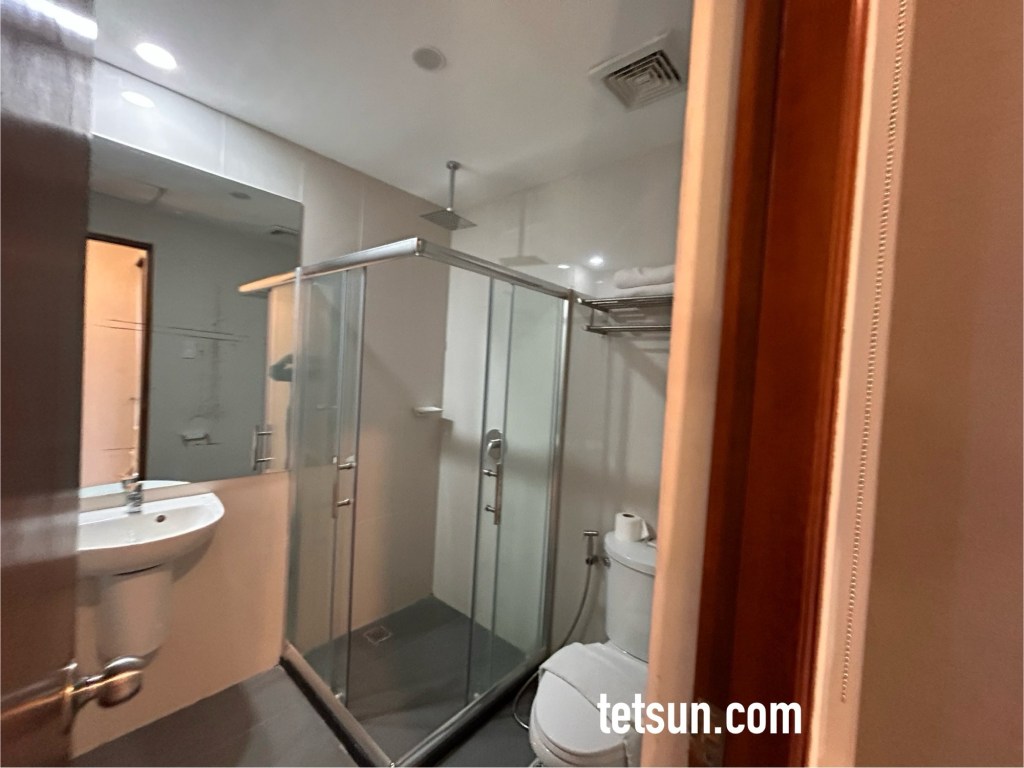
I stayed at Mango Suites and the staff were just as nice. Prior to booking at Agoda, I read some reviews that they charged extra for fresh towels, no hair dryer. These were probably true before, but not any more. They cleaned my room, gave me fresh towels on my second day, and also lent me a hair dryer without extra charge.


The room was quite spacious and clean.


For me, Mango Suites also has a great location as it is near places that I often go to when I travel — a mall and the church! (I don’t really go sightseeing nor do I travel for leisure. I only travel when I have to.)

SM Cauayan is a 5-minute tricycle ride. If it weren’t too hot, I would have walked to SM. But then again there aren’t many trees that give shade from the scorching heat of the sun, so I took the tricycle.

Isabela State University where the conference was held is also quite close. Unfortunately I was not able to take a photo of the campus. The working committee were the best — very helpful, friendly and efficient. I truly enjoyed the conference with over 200 participants and presenters!

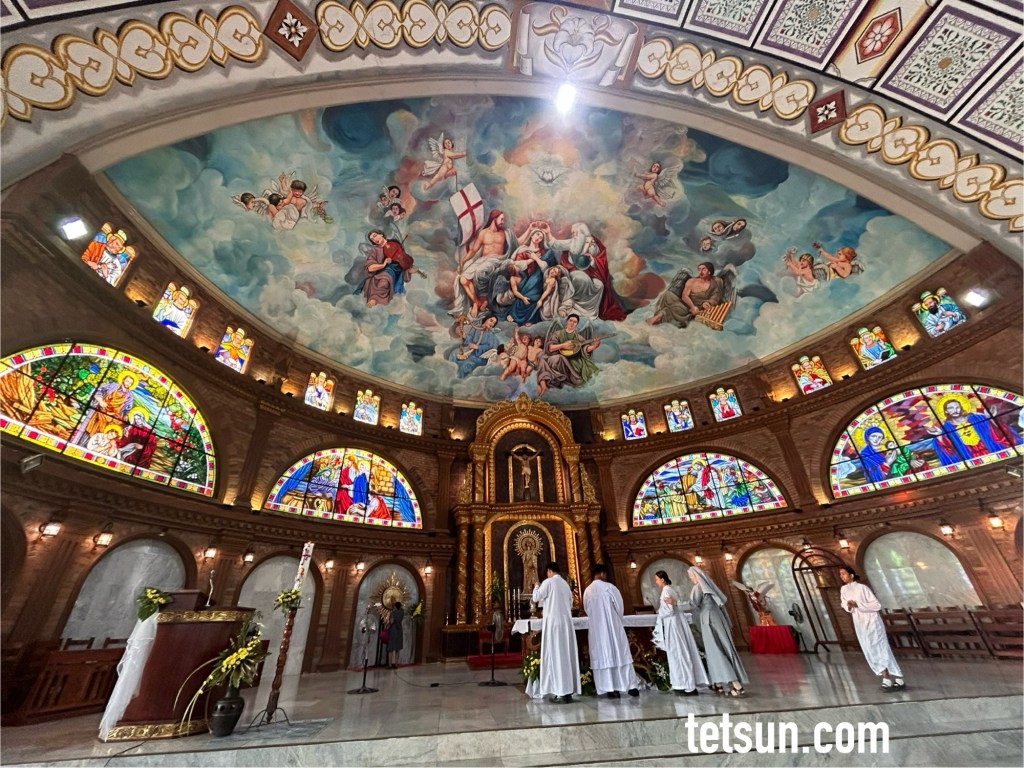
The Our Lady of the Pillar Church is also about a 5-minute tricycle ride from the hotel.


On my last day in Cauayan, I attended an English mass. The first time I went, the mass was in Gaddang, the local dialect.

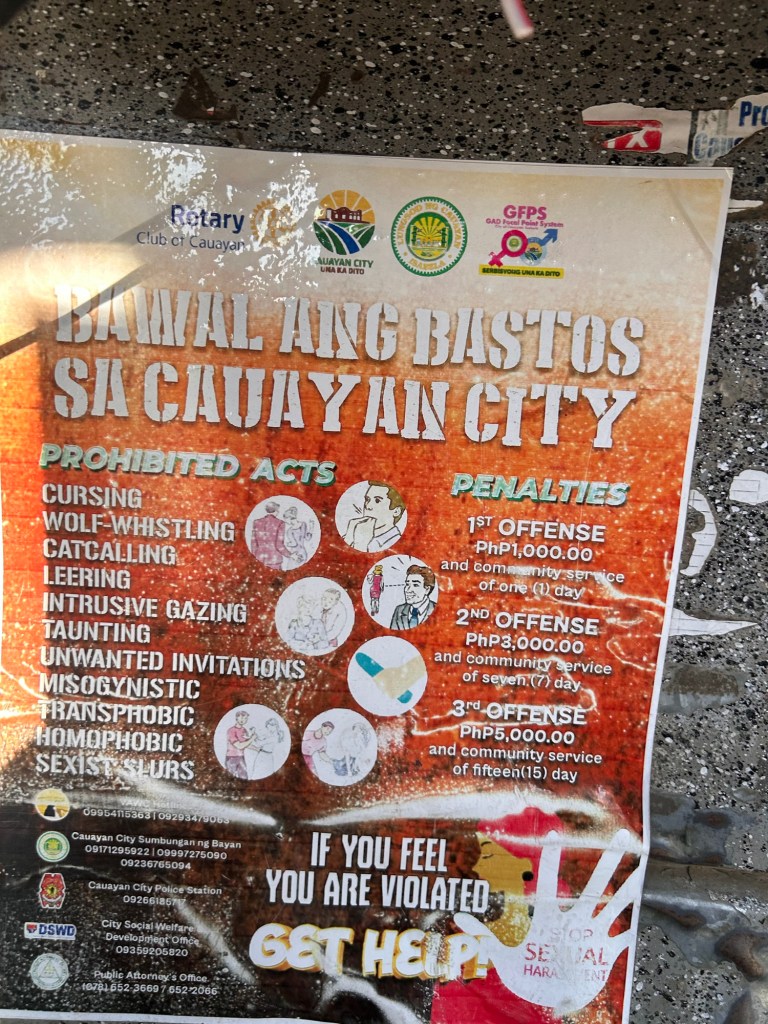
On my way back to the hotel, I saw this sign on a motorcycle, and then it all made sense to me: there’s a ban on rudeness in Cauayan City.

I was quite happy to see this. I know some people might think it’s limiting people’s freedom to express themselves, but I’d rather observe this rule than be the recipient of rudeness.

Everyone I spoke with at the conference who is not from Isabela all said the same thing: Cauayanons are so warm and friendly and just really nice. From the airport staff, drivers, security guards, random strangers, hotel staff, everyone I met in the 5 days I stayed in the city, was just nice. Amazing!

I wouldn’t mind visiting Cauayan again.

Books in a café

At Xiamen Gaoqi Terminal 3

While waiting for my flight yesterday, I bought a coffee at this café at Xiamen Gaoqi Terminal 3 and was so happy to see a variety of very interesting English books — from the illustrated Guess How Much I Love You which is one of my son’s favorite books, to a book of Shakespeare’s sonnets.

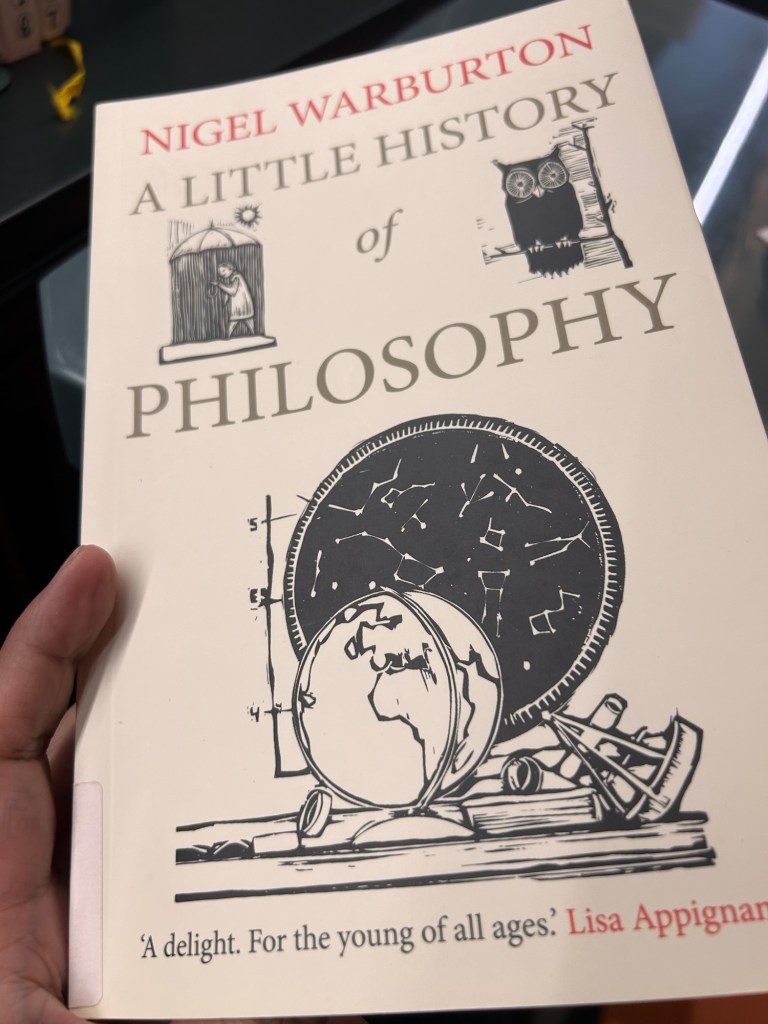
But one book that made me wish I was in a bookstore not a food place was Nigel Warburton’s A Little History of Philosophy which I really enjoyed reading.

I’ve been listening almost every night to Philosophy Bites for about a year now; I have favorite episodes that I’ve listened to many times. Reading Warburton’s book is truly “A delight. For the young of all ages.”

I asked the staff if I could buy the book and was told it’s not for sale. Luckily it’s available on Kindle for about $10, and I bought it and read it on the plane.

The other book I saw and started reading but will continue reading later is What To Do When I’m Gone.

It’s a beautifully illustrated book by a writer mother and her artist daughter.

The introduction moved me to tears as it reminded me of the times after my mom’s death when I realized she was no longer just a phone call away. There was no one I could call and cry to and ask to pray for me.

I don’t usually hang out in coffee shops or cafés in airports while waiting for a flight. It was serendipitous that I stopped at Miss Zhao’s Café.

Happy Wednesday from the Philippines!